- Home
-
Bath Lift for Elderly Safe and Comfortable Bathing for Seniors
Views: 0 Author: Site Editor Publish Time: 2025-10-30 Origin: Site


For many seniors, something as simple as taking a bath can quietly become one of the most challenging parts of daily life. Slippery floors, deep bathtubs, and limited mobility increase the risk of falls—making bathing not just uncomfortable but sometimes even dangerous. That's where a bath lift for elderly comes in.
Designed to make bathing safer, easier, and more dignified, a bath lift allows seniors to lower and raise themselves in and out of the tub with just the press of a button. It bridges the gap between independence and safety, offering peace of mind to both elderly users and their families.
As the population ages, safe bathing for seniors is no longer a luxury—it's a necessity. Whether you're a family caregiver or someone planning ahead for your own comfort, understanding how bath lifts work, what types are available, and how to choose the right model can make a world of difference. This guide will walk you through everything you need to know—from benefits and installation to maintenance and expert recommendations—so you can find a solution that truly fits your needs.
Why Elderly People Need a Bath Lift?
Bathing may seem simple, but for many seniors, it carries real risks. A bath lift for elderly is not just a convenience—it's a crucial tool to ensure safety, independence, and peace of mind for both the user and their family.
1.Reduce the Risk of Slips and Falls
Slips and falls in the bathroom are among the most common causes of injuries for older adults. According to studies, over 80% of bathroom accidents among seniors happen while entering or exiting the bathtub. Even a minor fall can lead to serious injuries such as fractures or head trauma. A bath lift provides a stable, secure seat that gently lowers and raises the user, minimizing the risk of accidents and providing family members with reassurance.
2.Enhance Independence and Self-Esteem
Many seniors feel frustrated or embarrassed when they require help with daily tasks like bathing. A bath lift for elderly allows them to bathe safely without constant assistance, restoring a sense of autonomy. This independence not only boosts confidence but also helps maintain dignity and mental well-being.
3.Reduce Family Caregiving Stress
Caring for an elderly family member during bath time can be physically demanding and stressful. Lifting, supporting, or monitoring someone in a slippery bathtub is challenging and carries liability risks. By using a bath lift, families can reduce physical strain and anxiety, knowing their loved one can bathe safely with minimal supervision.
4.Practical Value for Families
Investing in a bath lift is more than buying a product—it's investing in safety, comfort, and peace of mind. Families can prevent accidents, reduce medical expenses related to falls, and provide elderly members with a safer, more dignified daily routine. Understanding these benefits helps both caregivers and seniors appreciate why a bath lift is a worthwhile investment.
2. Types of Bath Lifts and Their Suitable Scenarios
Choosing the right bath lift for elderly is more than picking a product—it's about matching the lift to the senior's mobility, bathroom layout, and daily needs. Different types of lifts offer unique advantages and are suited to different situations.
1.Electric Bath Lifts
Electric bath lifts are powered by rechargeable batteries and move smoothly with the push of a button. They are ideal for seniors with limited strength or joint pain, as the effortless operation reduces the risk of strain or falls. The seat can often be adjusted to multiple positions, enhancing comfort during bathing. While electric lifts require occasional charging and come at a higher cost than manual models, they provide a reliable, hands-free solution that many families find invaluable. In households where safety and ease of use are top priorities, electric lifts are often the preferred choice.
2.Manual Bath Lifts
Manual lifts operate using a hand crank to raise and lower the seat without electricity. Their simple, durable design makes them easy to maintain and more affordable than electric models. Manual lifts are suitable for seniors who still have some upper body strength and can comfortably operate the crank. While they are slower and require more effort than electric lifts, they are an excellent option for smaller bathrooms, budget-conscious families, or situations where electricity is limited or unavailable.
3.Hydraulic / Water-Powered Bath Lifts
Hydraulic or water-powered lifts use water pressure to control movement, providing a stable and smooth ride without relying on batteries or electricity. These lifts are highly reliable and long-lasting, making them suitable for seniors who prioritize maximum stability and safety. Installation can be more complex, and costs are generally higher, but for households where safety is the primary concern or where lifts are used frequently, hydraulic models are often the best solution.
4.Matching the Lift to the User
Selecting the right lift involves considering both the user's physical abilities and the bathroom setup. Seniors with limited mobility or chronic joint pain will benefit most from electric lifts, while more active seniors who can operate a crank comfortably may find manual lifts perfectly adequate. Families seeking maximum reliability and smooth performance might choose a hydraulic lift. By understanding the strengths and limitations of each type, caregivers can ensure that the bath lift for elderly they choose provides safe bathing for seniors in a way that fits seamlessly into daily life.
How to Choose the Most Suitable Bath Lift?
Selecting the right bath lift for elderly is essential to ensure safe bathing for seniors while maximizing comfort and usability. The first consideration is the lift's weight capacity. Most bath lifts are designed to support between 100 kg (220 lbs) and 150 kg (330 lbs). For seniors who weigh more than 120 kg (265 lbs), heavy-duty models rated for up to 160–180 kg (350–400 lbs) are recommended. Overloading a lift can compromise safety and damage the mechanism, so verifying the manufacturer's specifications is a critical first step.
1.Bathtub Size
The size of the bathtub is equally important. Standard tubs typically measure 140–170 cm in length, 70–75 cm in width, and 40–50 cm in depth, while smaller tubs may be around 120–140 cm long, 60–70 cm wide, and 35–45 cm deep. A bath lift should fit securely within these dimensions with at least 5 cm clearance on each side to allow smooth movement. Measuring your bathtub accurately before purchasing a lift ensures proper installation and avoids potential hazards or operational difficulties.
2.Ease of Operation and Comfort
The lift's operation method significantly affects usability. Electric lifts require minimal effort, typically raising or lowering the seat in 20–40 seconds, which is ideal for seniors with limited strength or arthritis. Manual lifts, on the other hand, may require 5–10 full crank turns, which could be strenuous for users with weak hands. Comfort is another key factor. Seats should be adjustable in height, usually between 40 cm and 55 cm, with a width of 45–50 cm, or 50–55 cm for larger users. Padding thickness of 2–3 cm, contoured backrests, and non-slip surfaces all contribute to a safer and more comfortable bathing experience.
3.Safety Features
Safety features are critical when choosing a bath lift. Anti-slip surfaces on the seat and base prevent slipping on wet floors, while built-in safety belts provide additional security for seniors with limited balance. Many electric lifts include an emergency stop or manual override, allowing the user to stop or lower the seat in case of malfunction, ensuring full control during every bath.
4.Practical Example and Recommendation
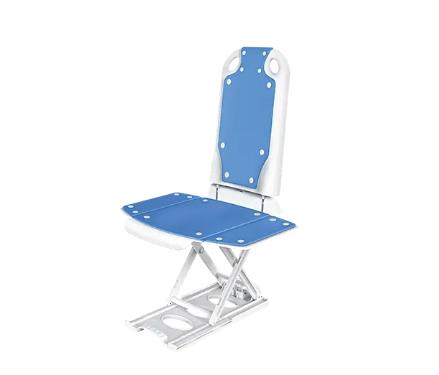
For an elderly person weighing around 75 kg (165 lbs) with mild arthritis, choosing a bath lift that combines both safety and comfort is essential. In a standard bathtub measuring 150 cm × 70 cm × 45 cm, the JIECANG Bath Lift Chair JC35M3 stands out as an ideal choice. This model operates with an input voltage of 100–240V and a battery voltage of 14.8 VDC, providing stable support with a maximum load of 1400 N. The seat raises and lowers smoothly at a speed of 5 mm/s, with an adjustable height range from 80 mm to 487 mm, making it suitable for users of different heights and bathing needs.
The JC35M3 features a seat size of 728 × 360 × 163 mm and weighs only 13 kg, which makes it easy to install, move, and handle. With a waterproof rating of IPX8, it ensures safe and reliable operation even in humid bathroom environments. This lift allows seniors to sit and bathe with confidence, significantly reducing the risk of slips and falls while offering a comfortable and stable bathing experience. Its adjustable height and sturdy construction also make it easier for caregivers to assist with bathing, reducing physical strain.
Overall, the JC35M3 not only meets high safety standards through its technical specifications but also enhances independence and comfort through thoughtful design. It's a reliable solution for families seeking safe bathing for seniors and a practical way to restore confidence and dignity in daily care.
Installation and Usage Guidelines
Proper installation and correct use of a bath lift for elderly are essential to guarantee safety, stability, and long-term reliability. A well-installed bath lift not only prevents accidents but also ensures a smoother, more comfortable bathing experience for both seniors and caregivers.
1.Installation Tips
Before installation, make sure the bathtub surface is completely clean and dry. Remove any soap residue, moisture, or mold to ensure firm adhesion of the lift's base. The lift should sit flat against the bathtub floor without any shaking or gaps. If your model uses suction cups, press them firmly onto the surface to secure a tight seal and prevent movement during operation. Keep all electrical cords and chargers away from direct contact with water and position them at least one meter from the bathtub to avoid moisture exposure. Once installed, perform a full test run to check that the lift raises and lowers smoothly, without water leakage, slippage, or instability.
2.Usage Process
To achieve safe bathing for seniors, start with a stable sitting position. The user should sit on the bath lift seat with both feet still outside the tub. Once balanced, press the down button to lower the seat slowly until it reaches the bottom of the bathtub—a process that typically takes 20–40 seconds depending on the model. After bathing, press the up button to return the seat to its top position before standing up. Always ensure the remote control or hand switch is within easy reach throughout the entire process, allowing the user to stop or adjust the lift whenever necessary.
3.Safety Reminders
Safety should always be prioritized when using a bath lift for elderly. Make sure the seat and tub surfaces are dry before use to prevent slipping. Never allow the power adapter, charging port, or control cable to touch water. For electric bath lifts, only use certified waterproof connectors and avoid operating the device while it's charging. Most models come equipped with an emergency stop button, allowing users to halt movement immediately if they feel unsafe. It's recommended to test this function before regular use.
4.Caregiver Support
For first-time users, it's best to have a family member or caregiver present during the initial few uses. This helps the senior become familiar with the lift's speed, control buttons, and comfort level. Once confident, most users can safely operate the device on their own. Caregivers should also perform regular checks—ensuring the suction pads are secure, the seat is stable, and all control components function properly. These small precautions greatly enhance safety and extend the device's lifespan.
Daily Maintenance and Care
Proper maintenance is essential to keep your bath lift for elderly in safe, reliable working condition. With just a few simple habits, families can prevent common issues like mold growth, electrical faults, and worn-out parts—ensuring safe bathing for seniors every day.
1.Cleaning and Hygiene Care
After each use, rinse the bath lift chair with clean water to remove soap, body oil, and shampoo residue. Use a soft, non-abrasive cloth to wipe the surface, especially around joints and suction cups, to prevent dirt buildup.
Once a week, clean the seat and backrest using a mild, pH-neutral detergent. Avoid harsh chemicals or alcohol-based cleaners, as they can damage the waterproof coating and rubber materials.
To prevent mold and bacteria growth, always keep the chair dry after use. If possible, lift the seat slightly above the tub and allow it to air-dry for several hours in a well-ventilated bathroom.2.Routine Inspection
Regular inspection helps detect early signs of wear and ensures safety.
Check all mounting components (such as suction pads, brackets, and screws) at least once every two weeks to confirm they are firmly secured.If your bath lift runs on a rechargeable battery, ensure it is charged fully after every 3–4 uses. A full charge typically supports 10–15 lift cycles depending on model and user weight.
For hydraulic or electric systems, listen for any unusual sounds—such as clicking or slower-than-usual movement—which may indicate air trapped in the system or low battery power.3.Common Issues and Troubleshooting
Seat does not rise or lower smoothly:
Check if the suction pads are fully attached to the bathtub floor. Air gaps can cause instability. If using a battery model, ensure the power level is above 20%.Remote control not responding:
Inspect the connection ports and ensure they are dry. Replace the batteries in the remote if needed, or reconnect the cable to reset.Slow lifting speed:
This could result from low battery charge, water residue in the motor area, or hydraulic fluid aging. Allow the chair to dry completely and perform a full recharge before trying again.If issues persist, stop using the lift immediately and contact a professional service provider to avoid further damage.
4.Tips to Extend Service Life
To maximize the lifespan of your bath lift chair, avoid exposing it to hot water above 45°C, as excessive heat may weaken seals and joints.
Do not store the lift in a damp or unventilated area when not in use; instead, keep it upright and dry.
Recharge batteries at least once every month even if the device is not in regular use—this prevents capacity loss and extends overall battery life.
Finally, schedule a full safety inspection every 6–12 months, especially if used daily by elderly family members.Conclusion
A bath lift for elderly is not just a piece of bathroom equipment—it's a meaningful solution that protects seniors' dignity, safety, and independence. By choosing the right model and following proper installation and maintenance routines, families can greatly reduce the risk of slips and falls, ease caregiving responsibilities, and allow elderly loved ones to enjoy a comfortable and confident bathing experience once again.
Every detail matters—from stable installation and anti-slip suction pads to smooth electric lifting and waterproof safety design. A high-quality bath lift should provide strong load capacity, quiet and steady operation, and reliable waterproof performance for daily use. Most importantly, it helps seniors with limited mobility regain confidence and control in their daily routines.
If you're looking for a trusted bath lift for elderly, JIECANG offers electric lifting systems that meet international safety standards, featuring IPX8 waterproof protection, smooth and quiet motion, and ergonomic design. Whether for home care or assisted living facilities, JIECANG's bath lift solutions provide safe bathing for seniors with both comfort and peace of mind.
Bath Lift for Elderly FAQ
1. What is a bath lift for elderly and how does it work?
A bath lift for elderly is a mechanical chair designed to help seniors safely get in and out of the bathtub. It typically features a waterproof electric motor that lowers the seat into the water and raises it back up after bathing. Most models come with a handheld remote control and a rechargeable battery, allowing users to bathe independently without strain or risk of slipping.
2. Is a bath lift safe for seniors with limited mobility?
Yes. Bath lifts are specifically designed to provide safe bathing for seniors. They come with anti-slip seats, stable suction bases, and waterproof control systems that minimize the risk of falls. For seniors with balance issues or mild arthritis, electric bath lifts offer smooth, gentle movement that ensures comfort and safety throughout the bathing process.
3. What is the weight limit for a bath lift?
Most bath lifts can safely support between 120–140 kg (265–308 lbs). However, it's important to check the manufacturer's specifications before purchasing. Exceeding the maximum load may affect performance or cause instability. For heavier users, reinforced or heavy-duty models are available for extra safety.
4. Can bath lifts be used in any type of bathtub?
Bath lifts are compatible with most standard bathtubs. However, measuring your tub's length, width, and depth before purchase is essential. If you have an unusually shaped or narrow tub, look for compact or adjustable-width models. Always ensure the base suction pads can fully attach to the tub floor for maximum stability.