- Home
-
Comprehensive Guide to Choosing Patient Lift Systems
Views: 0 Author: Site Editor Publish Time: 2025-10-11 Origin: Site


In modern healthcare and rehabilitation settings, patient lifts have become essential equipment for improving nursing efficiency and ensuring patient safety. With technological advancements, a variety of patient mobility equipment are now available on the market, offering different types, features, and levels of automation. This abundance of options means that healthcare professionals and home caregivers face more choices when selecting the right patient transfer device.
Factors such as design, weight capacity, track layout, and operation method directly affect care efficiency, safety, and patient comfort. Therefore, before making a purchase, understanding the basic definitions, applications, and key features of these devices is a critical first step in choosing the most suitable Patient Lift Systems for your needs.
Definition and Purpose
A Patient Lift System is a device designed to assist patients with limited mobility in safe and efficient transfers. It is typically installed on ceiling tracks but can also be designed as a portable system to facilitate smooth movement between beds, wheelchairs, or bathroom facilities.
This system not only improves nursing efficiency but also significantly reduces the risk of patient falls and caregiver strain. As such, it is a common patient mobility device in both hospital and home care settings.
Design and Types of Patient Transfer Equipment
In modern healthcare and rehabilitation environments, patient transfer equipment (also called Patient Lift Systems or patient mobility devices) has become a key tool for enhancing nursing efficiency and ensuring patient safety. Depending on usage requirements and spatial layout, these devices are mainly classified into three types: fixed, portable, and track-based systems.
1.Fixed Design
Fixed Patient Lift Systems are usually permanently installed on ceiling or wall tracks. They offer stable construction and high weight capacity, making them suitable for long-term use in hospital wards, ICUs, or rehabilitation areas. Fixed systems allow for smooth and safe patient transfers, reduce caregiver workload, and improve overall care efficiency and safety.
2.Portable Design
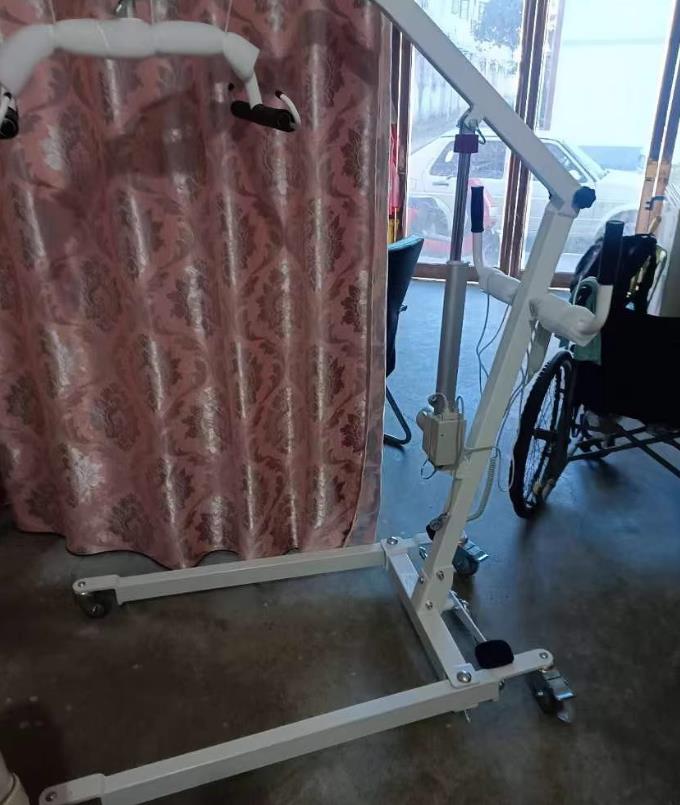
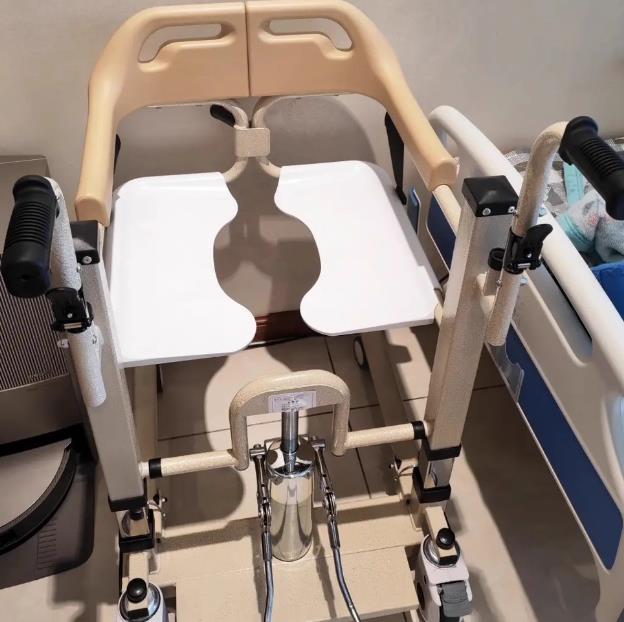
Portable patient lifts are lightweight and flexible, allowing them to be moved between multiple rooms. They require no complex installation and are easy to operate, making them ideal for home care, elderly care facilities, or temporary rehabilitation centers. This type of patient mobility equipment is cost-effective, easy to maintain, and well-suited for small to medium-sized care settings.
3.Track System Design
Track system patient lifts represent the most advanced solution for patient transfers. Tracks can be designed in straight, curved, or multi-room layouts to enable smooth movement between different areas. When combined with electric or smart control systems, they further enhance operational convenience and care automation, making them highly suitable for large hospitals, rehabilitation centers, and long-term care institutions.
Semi-Automated and Fully Automated Patient Lifts
Semi-automated and fully automated patient lift systems differ significantly in operation and automation level. Semi-automated devices combine electric assistance with manual operation, requiring caregivers to participate in pushing or adjusting the patient during transfers. The motor system, however, provides lifting, sliding, or rotation support, effectively reducing physical effort while ensuring smooth and safe movement. Semi-automated systems are typically suitable for small to medium hospital wards, rehabilitation centers, elderly care facilities, and home care, especially for daily care and short-distance transfers. Their motors are usually designed for low noise and high reliability, with multiple speed settings and load control to ensure patient safety and comfort.
In contrast, fully automated Patient Lift Systems enable electric or smart-controlled full-process patient transfers with minimal manual intervention. When integrated with ceiling track systems and intelligent sensors, fully automated devices can efficiently and safely transfer patients in hospital wards, operating rooms, rehabilitation areas, and long-term care facilities. These systems often feature high-performance servo motors or smart drives for precise positioning, smooth lifting, and multi-point track coordination, along with overload protection and emergency stop functions to provide comprehensive patient safety.
Key Factors for Choosing Patient Transfer Equipment
Selecting the right patient mobility device can be challenging due to the wide variety of designs, operation modes, and feature configurations available. Factors such as space, patient weight, and care scenarios directly influence device selection. Key considerations include:
1.Weight Capacity and Structural Stability
Devices typically support weights ranging from 120–250 kg. Fixed patient lifts have higher weight capacity, often supporting patients over 200 kg, while portable models generally support 120–150 kg, suitable for lighter patients or short-distance transfers. A stable structure ensures smooth movement and reduces the risk of accidents.
2.Operation Mode and Automation Level
Semi-automated devices combine electric lift or glide assistance with manual operation, ideal for daily care and short-distance patient transfers. Fully automated systems offer fully electric operation; some high-end models can support up to 250 kg and transfer patients automatically across wards, operating rooms, or rehabilitation zones, making them ideal for high-intensity care environments.
3.Track System Layout
Track lengths typically range from 3–15 meters and can be designed as straight, curved, or multi-room layouts for smooth movement between different areas. Combined with pulleys and motorized systems, tracks enable seamless, obstacle-free transfers.
4.Motor Performance and Safety Features
Motor power generally ranges from 150–300 W, providing stable lifting and sliding force. High-quality motors operate below 50 dB, and some models include overload protection and emergency stop functions to ensure patient safety.
5.Installation and Maintenance Costs
Fixed track systems have higher installation costs, usually between $400–$1,000, while portable devices are more affordable, typically $250–$500. Ongoing maintenance, motor upkeep, and consumable replacement should also be considered to ensure long-term stable use.
6.Compatibility with Care Workflow
Devices should align with existing nursing workflows, including bed spacing, ward layout, and caregiver operation habits, ensuring ease of use, reducing learning time, and improving nursing efficiency.
Price Range
Price is an important factor when choosing Patient Lift Systems. Costs vary depending on device type, automation level, and track length. Fixed track systems are generally more expensive, with complete installation and configuration ranging from $4,000 to $12,000, depending on track length, curves, and motor specifications. Portable devices are more affordable, typically $1,500–$4,000, making them suitable for home care, elderly care facilities, or temporary use.
Fully automated systems, equipped with high-performance motors, intelligent controls, and safety sensors, usually cost 20%–50% more than semi-automated models but can significantly improve nursing efficiency and patient safety. When selecting a system, long-term maintenance, consumables, and potential upgrades should also be considered to ensure the best cost-effectiveness over time.
How to Use a Patient Lift System
When using a patient mobility device, it is essential to first select a suitable sling based on the patient’s body type and transfer needs. Place the sling smoothly under the patient, ensuring it covers all key support areas. Attach the sling securely to the lift’s fixed hooks, confirming it is stable to prevent slipping.
After activating the lift, slowly and steadily raise the patient and perform horizontal or vertical transfers as required. Caregivers should remain close to the patient throughout the process, monitoring the sling and device operation to ensure safe movement. Always read the product manual and safety guidelines carefully before use, and familiarize yourself with the operating procedures, load limits, and emergency stop functions to minimize operational risks and ensure patient safety.
Insurance and Reimbursement
Patient lift systems are highly convenient, enabling caregivers to transfer patients safely and comfortably while significantly enhancing patient comfort and security. Although the equipment may appear costly, eligible patients can often receive partial reimbursement through Medicare Part B or certain private health insurance plans.
Reimbursement is possible because these devices are classified as durable medical equipment (DME), medically necessary aids that reduce caregiving risks and improve patient quality of life. Before purchasing, it is recommended to consult with a doctor and your insurance provider to confirm coverage details. This ensures professional guidance and helps families or healthcare facilities reduce financial burden while safely using high-efficiency, smart patient transfer solutions.
Ceiling Lifts
In modern healthcare and rehabilitation settings, ceiling lifts have become essential devices for improving nursing efficiency and patient safety. Compared with traditional floor-based mobility equipment, ceiling track systems maximize overhead space, enabling smooth, obstacle-free patient transfers while reducing caregiver physical strain and potential injury risks.
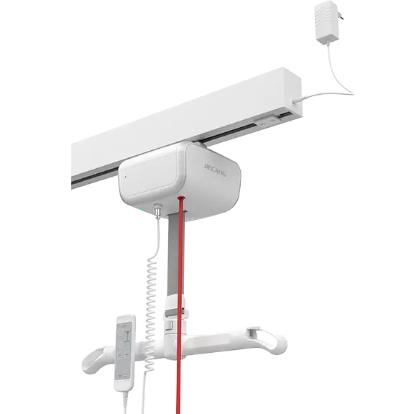
Among various ceiling track patient lift systems, the Ceiling Lift JC35LT2 by JIECANG is a notable example. It offers a high weight capacity of up to 440 lbs (approximately 200 kg) and features simple, flexible, and reliable operation. With a high-performance motor and low-noise design, the Ceiling Lift JC35LT2 operates smoothly in hospital wards, rehabilitation centers, and even home care environments. It supports straight or curved track layouts to meet different spatial requirements. Combined with multiple sling options and secure hook attachments, caregivers can easily lift and transfer patients using a remote control or handheld controller, significantly improving care efficiency and ensuring patient safety.
The Ceiling Lift JC35LT2 is suitable for short-distance transfers within wards, pre- and post-operative patient handling, rehabilitation training, or daily care of long-term bedridden patients. Its emergency stop and safety protection features provide additional security, offering reliable support for both caregivers and patients.
Application Scenarios
Patient lift systems are widely used in hospitals, rehabilitation centers, long-term care facilities, and home care environments. In hospitals, they help caregivers safely transfer patients from beds to wheelchairs, shower chairs, or operating tables, reducing physical strain and minimizing the risk of accidents. In rehabilitation centers, these devices assist patients with short-distance transfers and mobility exercises, ensuring each movement is smooth and safe.
In long-term care facilities, patient mobility devices are used for turning, bathing, or repositioning, providing comfort and safety for bedridden or mobility-impaired patients. At home, the equipment allows caregivers to perform transfers efficiently while maintaining the patient’s dignity and comfort. Flexible track designs and high weight capacities enable adaptation to various spatial layouts, including straight, curved, or multi-room configurations, meeting diverse practical needs.
With just a gentle press of a remote, a patient can be smoothly transferred from a bed to a wheelchair and then to a shower chair for hygiene care, with minimal effort and no sudden jolts. In rehabilitation centers, patients can safely perform short-distance transfers and mobility training using ceiling lifts under therapist guidance, ensuring a smooth and efficient rehabilitation process.
In nursing homes or long-term care facilities, these devices provide bedridden or mobility-impaired elderly patients with comfort and dignity. Whether turning, repositioning, or transferring to a bathroom or wheelchair, the equipment significantly reduces the physical burden on caregivers while offering patients a safe and gentle experience. At home, it similarly provides convenience and peace of mind: from bedroom to bathroom, living room to kitchen, the lift operates smoothly without manually moving wheelchairs or beds, making home care easier and more manageable. This thoughtful design not only improves nursing efficiency but also ensures patients and families feel safe, comfortable, and respected. For families with long-term care needs, investing in a patient lift system is like purchasing peace of mind and attentive care, making every transfer effortless and reassuring.
Conclusion
Choosing the right Patient Lift Systems is crucial not only for nursing efficiency but also for patient safety and comfort. Whether in hospitals, rehabilitation centers, long-term care facilities, or home care, the correct equipment can significantly reduce caregiver physical strain and improve patient quality of life.
When making a decision, consider factors such as patient weight, usage scenario, space layout, automation level, and insurance coverage. A comprehensive evaluation ensures the best value and long-term benefits. For families or institutions with long-term care needs, investing in a high-quality patient mobility device is a wise choice, providing safe and comfortable care. Understanding product features, operation methods, and application scenarios allows caregivers to act promptly, making transfers more efficient and smooth while bringing reassurance and dignity to patients and families. Equip your care environment with a reliable patient lift system today to make every patient transfer safe and effortless.
Patient Lift System FAQ
Who can use a patient lift system?
Patient lift systems are suitable for patients with limited mobility, including those who are bedridden long-term, have paralysis, are recovering from surgery, or are elderly and unsteady. They allow smooth, safe transfers between beds, wheelchairs, and shower chairs, reducing the risk of falls or injuries and improving comfort during movement.
Why choose a ceiling lift over a traditional floor-based lift?
Compared with traditional wheeled lifts, ceiling lifts avoid obstacles like furniture and narrow doorways, enabling smoother transfers. Electric drive options significantly reduce caregiver physical effort, lowering the risk of back, shoulder, or arm strain. The smooth, safe movement also enhances patient comfort and increases nursing efficiency and safety.
What are the main use scenarios for patient lifts?
Patient lift systems are widely used in hospital wards, rehabilitation centers, long-term care facilities, and home care. In hospitals, they assist in safe transfers between beds, wheelchairs, operating tables, or shower chairs. In rehabilitation centers, they support short-distance patient movement and mobility training. In elderly care facilities or home care, they help with turning, bathing, and repositioning, reducing caregiver burden while maintaining patient comfort and dignity.
Do patient lifts require frequent maintenance?
Patient lifts are classified as durable medical equipment (DME), but regular inspection and maintenance are crucial. Routine checks include ensuring smooth motor operation, verifying track pulleys, inspecting slings and hooks for wear, and checking batteries or power supply. Comprehensive inspections are recommended every 3–6 months, with worn parts replaced promptly to ensure long-term safe use.