- Home
-
Bath Lift Comprehensive Guide
Views: 0 Author: Site Editor Publish Time: 2025-11-21 Origin: Site


For most people, getting in and out of the bathtub is an ordinary action, but for the elderly or those with mobility issues, it is often the most dangerous and strenuous part. High bathtub walls, slippery floors, and instability can easily lead to falls or sprains. Many people, due to weakened knees, joint pain, and decreased lower limb flexibility, often have to rely on family members or caregivers for help even when they want to bathe themselves.
The bath lift is designed to solve these practical problems. It steadily raises and lowers a person, eliminating the need to climb over high edges of the bathtub or bend over to sit down at the risk of slipping. The smooth lifting process, non-slip seat, and simple operation buttons reduce the possibility of accidents, making bathing easy and safe again.
For elderly people living alone, those in rehabilitation, and users with joint or muscle weakness, the bath lift not only improves stability during bathing but also helps them maintain their independent lifestyle. It is an assistive device that truly improves quality of life, not just a tool to assist with bathing.
What is a Bath Lift?
A bath lift is an assistive device that helps users safely sit in and get out of the bathtub. It typically consists of a height-adjustable seat, backrest, motor, or pneumatic system that slowly lowers to the bottom of the bathtub after pressing a button and then smoothly rises back to the rim after bathing. This eliminates the need for users to step over a high bathtub rim or bend down to sit, significantly reducing the risk of slipping and losing balance. Most bath lifts use simple and intuitive controls, such as waterproof buttons or handheld remotes, requiring only the press of "up" or "down"—no complicated movements or hand strength are needed.
Who Needs a Bath Lift? The most typical beneficiaries of bath lifts are elderly people living alone. As they age, leg strength and balance decline, making it increasingly difficult to step into the bathtub or stand up from a low place. A fall can have serious consequences. A bath lift provides stable support for every step they take when sitting down and standing up, allowing elderly people living alone to safely complete this important daily activity of bathing without relying on family members.
For those suffering from chronic joint pain or arthritis, getting into the bathtub often involves bending over, squatting, and lifting legs—actions that can trigger discomfort or even severe pain. A bath lift can gently lower them to the bottom of the tub and smoothly lift them back up after bathing, reducing the burden on their knees and hips and making bathing a more natural and less strenuous activity.
Bath lifts are also ideal for people with limited mobility, such as those recovering from surgery, those with weak muscles, or those with poor balance. These individuals often worry about slipping and falling in a wet bathroom environment, and the stable, controllable up-and-down movement of the lift provides greater peace of mind before entering the water, allowing them to maintain their normal bathing habits during recovery.
Additionally, some users, while still physically capable, wish to maintain as much independence as possible and do not want to rely on family or caregivers when bathing. For these individuals, a bath lift offers not only safety but also enhanced privacy, autonomy, and quality of life, making the bathing ritual, which might otherwise have been abandoned, easy and comfortable again.
Benefits of Home Bathtub Lifts
Home bathtub lifts are assistive devices that significantly enhance bathing safety, independence, and overall comfort, making them particularly suitable for the elderly, those recovering from surgery, and users with limited mobility or muscle strength. They help users safely enter and exit the bathtub in a more stable and convenient way, while maintaining daily bathing habits, making home care easier.
1. Safety Features
Bathtub lifts are typically battery-powered, eliminating direct contact with a power source and effectively reducing electrical hazards, thus improving safety during use. The seat surface is often designed for non-slip surfaces, and the stable base structure and simplified control panel further reduce the risk of slipping or misoperation. Many products also have authoritative certifications such as FDA, UL, or CE, ensuring that the equipment meets international standards in terms of materials, structure, and electrical safety, giving users peace of mind.
2. Independence and Comfort
One of the greatest values of bathtub lifts is that they help users regain independence while bathing. Without relying on others for assistance, users can easily get in and out of the bathtub, ensuring greater safety and privacy. The seat and backrest of these devices are typically ergonomically designed for a more relaxing and comfortable bathing experience, maintaining stable support even during extended periods in the water.
3. Ease of Use
In terms of operation, bathtub lifts usually have only a few buttons or come with a lightweight, easy-to-use remote control, making them suitable for users with less strength or poor hand dexterity. Most products are lightweight and can be placed directly into a regular bathtub without any renovations or modifications. Installation is also simple: just place the device in the bathtub and charge it, and it's ready to use right out of the box, making home care more convenient.
Bath Lift Types
Bath lifts can be broadly categorized into three types based on their drive mechanism and structure, each with its own advantages and applicable scenarios. Understanding these differences helps users choose the most suitable model according to their needs.
Manual Bath Lifts
Manual bath lifts are operated via a handle or lever, relying on no batteries or electrical systems, and are relatively simple and durable. Because they don't require charging, they are more reliable in certain situations and suitable for users who prefer purely mechanical devices. However, since they require a certain amount of hand strength to operate, they are generally more suitable for users with better strength or those requiring assistance.
Electric Bath Lifts
Electric bath lifts are powered by a built-in motor and rechargeable battery. Simply pressing a button easily raises or lowers the bath, making them the most popular and effortless type. Their advantages include wide applicability, stable operation, and suitability for users with limited hand strength, mobility issues, or those requiring high safety. Most electric models also come with a waterproof remote control for added convenience during bathing.
Inflatable Bath Lifts
Inflatable bath lifts control the raising and lowering of the tub by inflating and deflating an air cushion. They are lightweight, easy to store, and ideal for people who need to move around or travel frequently. Their soft cushions provide a more natural bathing experience. However, they generally offer slightly less support than rigid structures, making them suitable for users who don't require high stability, or as a travel or temporary solution.
Functions of Bath Lifts
Bath lifts significantly reduce the risk of falls while showering because their core functions are designed around key principles such as safety, stability, ease of operation, and adaptability. Below is a detailed explanation of how these functions truly enhance the user's bathing experience.
Adjustable Height
The core function of a bath lift is its seat height adjustment. Most models can rise to a height near the edge of the bathtub, eliminating the need for a deep squatting motion when seated, thus reducing knee strain and the risk of imbalance when bending over.
During descent, the lift descends slowly and steadily into the water, allowing the user to maintain a relaxed posture without the discomfort of sudden sinking. This "controllable and smooth" height adjustment is extremely helpful for people with weak muscles, stiff joints, or those requiring assistance.
Non-slip Safety Seat
The slippery surface of the body during a shower exponentially increases safety risks. Therefore, bath lift seats typically use non-slip materials and are designed with a slightly concave shape to help users maintain stability when seated.
Some high-end models also feature a textured anti-slip layer for enhanced grip and a wide seat for greater stability, preventing slippage and accidents from the outset.
Hand Controls: Bathtub lift hand controllers typically feature a simplified and intuitive design, allowing users with limited hand strength, stiff joints, or tremors to operate them easily. The buttons are usually large and tactilely responsive, reducing the risk of accidental presses even with wet hands; the lifting icons are clear and easy to understand without a learning curve. The entire casing is made of waterproof material, allowing continued use even if dropped into the bathtub, preventing malfunctions due to accidental water ingress.
Furthermore, the controllers usually come with a long cable, allowing users to access the buttons and safely control the lifting process before sitting down or after descending into the water. Some models even offer remote control functionality, allowing caregivers to assist from the outside when needed, reducing physical strain and providing greater peace of mind and convenience for elderly users living alone.
Comfort Options
To ensure users can not only "bathe safely" but also "bathe comfortably," modern bath lifts are increasingly sophisticated in their comfort design. Many products feature soft cushions, allowing users with thin, easily abraded skin or who dislike hard surfaces to maintain a comfortable sitting experience. The backrest can also recline slightly after lowering to the bottom of the bathtub, making bathing more natural and relaxing. For users with wider builds or less muscle strength, a wider seat or additional lateral support provides stability and reduces the risk of slipping. Furthermore, the overall structure often uses rounded, smooth edges to avoid scratching or irritating the skin, making it especially suitable for the elderly or those who are bedridden.
These thoughtful details make the bath lift more than just an "assistive tool," transforming bathing into a comfortable and enjoyable experience, allowing users to truly enjoy bathing rather than simply completing routine cleaning.
Installation
Compared to devices that require bathroom modifications, track installation, or hangers, the biggest advantage of a bath lift is that it requires "zero modifications and zero construction." It requires no complicated installation, no tools, and no drilling or brackets in the wall. Users simply place the lifter inside the bathtub, ensuring the suction cup or base adheres securely to the bottom, and it's ready to use immediately. Some models feature a lightweight design, making them easier to move and even portable when traveling or moving, ideal for renters or families who don't want to damage their bathroom structure.
Furthermore, battery-powered bath lifts eliminate the need for external power cords, avoiding potential safety hazards such as tripping, tangling, or electric shocks, providing users with greater peace of mind. This simple, convenient, and safe design makes the bath lift one of the easiest solutions to enhance the bathing experience.
How to Choose the Right Bathtub Lift ?
Assessing Your Needs
The first step in choosing the right bathtub lift is to start with your own needs. Measure the length, width, and depth of your bathtub to ensure the lift can be placed stably and lowered completely. Also, assess your ability to get in and out of the bathtub – can you do it independently, or do you need assistance? For users with joint pain, weak legs, or poor balance, pay more attention to details such as seat width, descent depth, and armrest support. Once you understand these practical considerations, it will be easier to determine which type, weight capacity, and operation method is best suited for daily use.
Common Concerns
Many users are concerned about safety, weight capacity, and the ease of use of the controls when choosing. For electric models, battery life and charging methods are also important considerations. If multiple family members share the bathtub, you also need to confirm whether the lift can be easily disassembled or moved. Different models vary in price and durability, so understanding these common issues beforehand can reduce trial and error costs and make a more informed choice.
Professional Advice
If you are still unsure, consult an occupational therapist, rehabilitation physician, or caregiver. They can offer more specific advice based on the user's physical condition, home environment, and bathing habits. Some people may need a wider seat, others may require a lower descent depth, and some users may prioritize ease of use. Professional advice can help you find the right option more quickly.
Safety and Maintenance
Ensuring the lift is completely flush with the bottom of the bathtub is fundamental for safe use. Before placement, check that the suction cups or support legs are secure; otherwise, there is a risk of tilting or slipping. After a period of use, regularly check for loose parts and readjust as necessary to avoid affecting stability due to improper installation.
Before each use, ensure the seat, armrests, and surrounding surfaces are dry to reduce the possibility of slipping. Raise and lower the weight slowly and steadily to avoid sudden movements that could cause imbalance. For first-time users, especially the elderly or those with limited mobility, it is recommended to have someone accompany them until they are fully familiar with the operation.
Different models have different weight capacities. Overloading can damage the motor or support structure and increase the risk of tipping over or loss of balance. Therefore, before selecting a model, confirm that the weight capacity is suitable for the user's body type and strictly follow the instruction manual.
To maintain good condition, regularly clean the seat, anti-slip mat, and controller to prevent residual water or soap scum from affecting friction or operational sensitivity. For daily cleaning, simply wipe with a mild detergent and check the battery, motor, and wiring connections for proper function. Avoid damp environments that could damage electronic components.
It is recommended to perform a thorough inspection of the device periodically, including checking the motor's smooth operation, button responsiveness, and for cracks in the seat. If any abnormalities are found, immediately stop using the device and contact a professional repair technician to prevent minor malfunctions from escalating into safety hazards.
When not in use, store the bathtub lift in a dry, well-ventilated area to prevent moisture, sunlight, or high temperatures from causing material aging. Proper storage not only extends the product's lifespan but also ensures safety for future use.
Product Recommendations
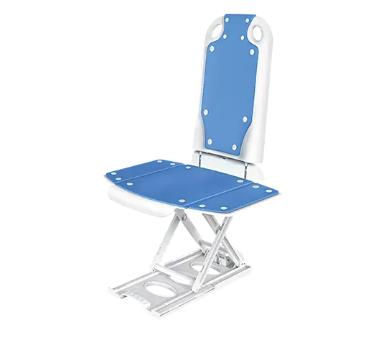
The JC35M3 Bath Lift Chair from JIECANG is an electric bathtub lift chair that balances safety, stability, and ease of use, making it ideal for seniors, people with mobility issues, those suffering from joint pain, or users who wish to maintain independent bathing capabilities at home. This model boasts a powerful 1400N thrust, stably supporting a weight of approximately 140kg, while offering a wide lift range from 80mm to 487mm, helping users easily and safely enter and exit the bathtub. The descent speed is 5mm/s. Its IPX8 waterproof rating allows the motor and system to function normally underwater, performing excellently in humid bathroom environments.
The JC35M3 also features a lightweight design, weighing only approximately 13kg. Installation requires no bathroom modifications, and it is easy to move, making it ideal for renters or those who need to use the chair in different bathrooms. Its wide voltage range (100–240V) also makes it suitable for homes in many countries. Its robust structure and long lifespan make it suitable for long-term home use and can also meet the higher demands of nursing homes and care facilities.
Conclusion
The core value of a bath lift lies in making bathing safe, controllable, and relaxing again. For the elderly or users with limited mobility, it effectively reduces the risk of falls when getting in and out of the bathtub, reduces the burden on the knees and lower back, and makes daily cleaning no longer a worry. Through electric or manual lifting mechanisms, users can easily sit down or stand up with stable support, maintaining a smooth and comfortable bathing experience.
Different users will have different priorities when choosing a bath lift. Elderly people living alone or those who wish to maintain independence usually need models that are easy to operate and structurally stable; clear buttons and sturdy handrails will provide a more reassuring user experience. Those with joint pain, weak balance, or insufficient muscle strength should pay more attention to seat comfort, non-slip surfaces, descent depth, and height adjustment range; these details directly affect the safety and experience of each bath. For home care or medical institutions, long-term durability, load-bearing capacity, and professional safety certifications should be prioritized to ensure reliability across multiple scenarios and users.
When purchasing and using a bath lift, accurately measuring your bathtub dimensions and confirming the lift's compatibility is the first step to avoiding future problems. Equally important are the weight capacity, the ease of use of the control buttons, and the safety and reliability of the charging system. After installation, regularly clean and inspect the motor, suction cups, and controller to ensure stable and smooth operation over the long term. With proper selection and maintenance, a bath lift can provide users with a safer and more comfortable bathing experience for a long time.
Bath Lift FAQ
1. Who is a bath lift suitable for?
Bath lifts are primarily designed for the elderly, people with joint pain, and users with limited mobility. They are also ideal for those living alone who wish to maintain their independence in bathing. Whether due to decreased muscle strength, weakened balance, difficulty bending over, or instability in and out of the bathtub, a bath lift provides stable support, allowing users to safely complete the entire bathing process without assistance.
2. What is the difference between an electric and a manual bath lift?
Electric bath lifts are powered by a motor and batteries. Adjusting the height is done simply by pressing a button or using a remote control, making them especially suitable for people with insufficient hand strength or who tire easily. Manual models rely on levers or handles for operation. While they are cheaper and simpler in structure, the lifting process requires a certain amount of physical strength, making them more challenging for users with relatively weaker physical abilities.
3. Is installing a bath lift complicated?
Most bath lifts are designed for easy installation. Simply place them in the bathtub and secure the suction cups or base; no drilling or modification of the bathroom structure is required. Following the instructions to confirm the position and fit, installation usually takes only a few minutes. If users are concerned about improper operation, they can ask family members or professionals for assistance to ensure the lift is stable enough in the bathtub for safer use.
4. What are the safety precautions when using a bath lift?
The most important thing to pay attention to during daily use is to adhere to the weight limit of the equipment and ensure that the seat, backrest, and armrests are dry to prevent slipping or falling. Operate the controls slowly during lifting to avoid sudden ascent or descent that could cause loss of balance. To ensure long-term safety, perform a simple check of the suction cup, motor noise, and controller sensitivity before and after use; address any abnormalities promptly.
5. How to maintain and extend the lifespan of a bath lift?
Good maintenance habits can significantly extend the lifespan of the lift. Keep the equipment dry after each use and regularly clean the seat and non-slip surfaces to prevent the accumulation of scale and slippery substances. If the equipment uses batteries, be sure to charge them on time and avoid prolonged exposure to humid or strong light environments. When not in use, store it in a dry, well-ventilated place, and regularly check the condition of the fasteners, motor, and battery to ensure the equipment is in optimal operating condition.