- Home
-
Guide to Selecting Hospital Intensive Care Unit (ICU) Bed Rails
Views: 0 Author: Site Editor Publish Time: 2025-12-04 Origin: Site


The Intensive Care Unit (ICU) is one of the hospital areas with the highest requirements for safety and operational efficiency. As a crucial safety component of hospital beds, transfer trolleys, and observation beds, 'bed rails' not only serve the function of fall prevention but also impact medical staff workflow, patient comfort, and infection control within the hospital. Therefore, selecting a high-standard ICU bed rail is of vital importance to healthcare institutions.
What is a Guardrail?
Side rails are critical safety components of medical equipment such as hospital beds, ICU beds, post-surgical recovery beds, and transfer stretchers. Primarily installed on both sides of the bed frame, they serve to prevent patients from accidentally falling off, assist in turning and moving patients, protect medical tubing from damage, and enhance the efficiency of nursing and medical operations.
Bed Side Rail is a safety protective device installed on the side of home beds, nursing beds, elderly beds, or children's beds. Its primary functions are to prevent falls, assist in getting up, and provide support. Compared with professional railings used in hospital ICUs, it has a more simplified structure but still performs important protective functions.
What are the Railings in a Hospital Intensive Care Unit?
The railings in the Intensive Care Unit (ICU) of a hospital are professional-grade safety protection devices installed on both sides of ICU beds. They are designed to ensure that critically ill patients do not experience falls during treatment, monitoring, and repositioning, while also providing support for healthcare staff, assisting in operational procedures, and protecting various life-support tubing.
Compared to bed rails used in general wards or at home, ICU rails are of a higher grade in terms of safety, strength, operational speed, hygiene control, and intelligence. They are an essential component of the ICU bed system.
The Core Function of ICU Railings
1. Prevention of Patient Falls (Highest Priority)
ICU patients are often in states of altered consciousness, anesthesia/sedation, postoperative recovery, generalized weakness, or inability to move independently. Bedrails can prevent falls caused by rolling off, sliding down, or unconscious turning.
2. Protection of Tubes and Equipment
ICU patients utilize a large number of devices, such as ventilator tubing, intravenous infusion lines, arterial monitoring tubes, urinary catheters, drainage tubes, and electrocardiogram monitoring leads. Bedrails, through their appropriately designed gaps, cable routing structures, and rounded corners, help avoid entanglement, compression, and pulling of these tubes and equipment.
3. Assistance in Healthcare Provider Operations
ICU bedrails also serve as operational support points for clinical nursing care, used for: patient repositioning, lifting the upper body, cleaning care, and positioning (such as semi-recumbent, lateral recumbent positions). Many high-end ICU bedrails feature one-handed quick release mechanisms, ensuring no delay during emergency situations.
4. Infection Control (ICU-Specific Requirements)
ICU railings must meet the stringent disinfection requirements of hospitals: fully enclosed seamless structure, no hidden dirt-prone areas, easy to wipe, capable of withstanding chlorine-based disinfectants, alcohol, quaternary ammonium salt cleaning agents, and high corrosion resistance (aluminum alloy/ABS medical-grade materials). This level of performance is incomparable to that of railings used in home settings or general wards.
5. Intelligent Safety Assistance (Premium ICU)
Some ICU railings integrate intelligent functions, such as: bed exit monitoring sensors, weight/pressure detection, railing status alarms, and bedside screen displays. These features enable nurses to real-time monitor patient conditions and enhance monitoring efficiency.
Comparison Table of Safety Standards and Parameters Between ICU Rails and Ordinary Ward Rails
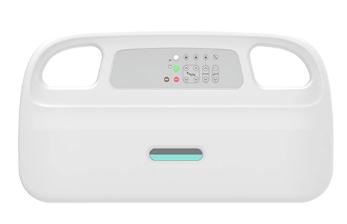
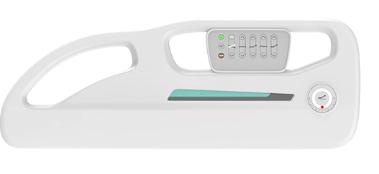
Regarding JIECANG's Hospital Intensive Care Unit Rail Products
CONCLUSION
ICU railings are not merely accessories to hospital beds but crucial medical devices that ensure patient safety, reduce fall risks, and enhance nursing efficiency. Selecting an appropriate railing requires a comprehensive consideration of safety structure, ease of operation, infection control management, durability, and compatibility with ICU equipment.
By adhering to the key criteria outlined in this guide, hospitals can more clearly identify product differences during the procurement process, ensuring they meet clinical needs while reducing subsequent maintenance costs and safety hazards. A reliable railing system not only protects patients but also enables nursing teams to perform each treatment and care procedure with greater peace of mind and efficiency in high-pressure environments.
Commonly Asked Questions About Hospital ICU Railings
1. What materials should ICU railings be made of? Which is the safest?
Common materials and their advantages:
Medical-grade ABS: Lightweight, corrosion-resistant, and easy to clean
Aluminum Alloy: High strength and durability
ABS with Built-in steel frame: Most commonly used in ICUs, balancing strength, weight, and infection control
2. Why must ICU railings be easy to clean?
ICUs require frequent disinfection, often using disinfectants containing chlorine, alcohol, quaternary ammonium salts, etc.
Therefore, railings must:
No dead corners for hygiene
Have a surface resistant to corrosion
Not easily discolor, crack, or become brittle
This is an important part of infection control.
3. Do ICU railings require regular maintenance? How often?
It is recommended to inspect every 3–6 months:
Whether the lifting mechanism operates smoothly
Whether the locking is secure
Whether there is looseness, cracks, or deformation
Whether the damping is effective
Whether the screws of accessories are worn
For ICU beds with high usage frequency, inspections should be more frequent