- Home
-
Hospital Bed Side Rails Concept, Size, and Installation Guide
Views: 0 Author: Site Editor Publish Time: 2025-11-05 Origin: Site


Adjustable bed side rails are commonly installed on both home and hospital beds, providing essential support and safety for elderly or mobility-impaired individuals. For many users of home medical beds, these rails, also called home bed side helper assist rails, help maintain independence, improve comfort, and reduce the risk of accidental falls. While not every patient requires side rails, they are a practical and beneficial addition for those recovering from surgery, living with limited mobility, or needing extra stability during sleep and movement. In hospital settings, hospital bed side rails play an even more critical role, ensuring side rail for bed safety, supporting caregivers, and facilitating patient transfers. With options like bed side rails for elderly, full size bed side rails, or side rails for adjustable beds, these protective features are tailored to enhance both safety and comfort, making them indispensable in modern healthcare and home care environments.
What Are Hospital Bed Side Rails?
Hospital bed side rails are protective rails specifically designed for medical environments to ensure patient safety and comfort. They are typically installed on the sides or around hospital beds, ICU beds, and rehabilitation beds to prevent accidental falls, support patient repositioning, and assist caregivers during medical care. These rails are sturdy, height-adjustable, and in some cases integrated with electronic controls for bed positioning or emergency release, meeting the strict standards of hospitals, nursing homes, and rehabilitation centers. Depending on the design, side rails may be made of metal, wood, or padded adjustable versions, tailored to patient mobility, safety needs, and caregiver convenience. Options such as bed side rails for elderly, bed side rails full size, or king size bed side rails are commonly used to provide comprehensive protection and comfort in healthcare settings.
Benefits and Uses of Adjustable Bed Side Rails
Adjustable bed side rails are designed to provide both safety and support, making them essential in many home and healthcare settings. In a domestic environment, a home bed side helper assist rail helps elderly individuals maintain independence, offering stability when sitting up, getting in and out of bed, or repositioning themselves during the night. This type of support reduces the risk of falls and provides reassurance for both the user and caregivers.
For elderly users, bed side rails for elderly play a critical role in preventing injuries. They offer a firm grip for moving or turning, which is particularly valuable for individuals with limited mobility. In combination with a bed side rails full size or king size bed side rails, they can secure the entire length of the bed, ensuring comprehensive protection.
In hospitals, hospital bed side rails are indispensable for patient care. A well-positioned side railing for hospital beds prevents accidental falls, supports patients while adjusting their position, and allows nurses and caregivers to provide assistance safely. Hospitals often use side rails for adjustable beds or electric beds with side rails to improve mobility and patient comfort. The rails can also be combined with side rail bed frame designs that enhance stability while enabling smooth movement of patients during daily care routines.
Adjustable bed side rails offer additional benefits beyond safety. They can be used to assist patients in performing light exercises while in bed, provide support for caregivers during transfers, and help maintain proper posture. Full length side rails for hospital beds or side rail covers for hospital beds enhance both protection and comfort, reducing the risk of injury from accidental bumps or sudden movements.
How to Choose Hospital Bed Side Rails?
Choosing the right hospital bed side rails is essential for ensuring both patient safety and comfort. However, many healthcare facilities and home caregivers often face confusion when selecting suitable side rails. Factors such as size, material, compatibility, and functionality all play crucial roles, and choosing the wrong type can lead to safety risks or unnecessary discomfort for the patient.
1. Problem: Mismatch Between Bed and Rail Type
One of the most common mistakes is purchasing side rails that don't properly fit the hospital bed. For example, using bed side rails full size on a compact or electric bed can cause instability or hinder bed adjustments. Similarly, some older beds may not be compatible with modern side railing for hospital bed designs.
Solution: Before purchasing, always verify the exact model and size of your bed. Choose side rails for adjustable beds or electric beds with side rails that are designed for compatibility and can adjust along with the bed's height and position. Consulting the manufacturer or checking official specifications helps ensure stability and safety.
2. Problem: Inadequate Safety and Comfort Features
Some hospital beds are equipped with simple side bars that prevent falls but lack ergonomic design or protective padding. This can lead to discomfort, bruises, or anxiety among patients—especially those who spend long hours in bed.
Solution: Select full length side rails for hospital beds that provide continuous coverage along the entire bed. Consider models with side rail covers for hospital beds to enhance comfort and prevent accidental contact injuries. For elderly patients, bed side rails for elderly with soft edges and easy-grip handles can reduce pressure points while offering firm support.
3. Problem: Difficulty in Operation and Accessibility
Some hospital bed side rails are difficult for caregivers to adjust or lower, especially in emergency situations. Poorly designed locking mechanisms can also pose risks if not secured properly.
Solution: Choose rails with simple one-hand release mechanisms and smooth locking systems. Side rails for adjustable beds with built-in safety locks allow quick adjustment while maintaining firm stability. For home use, a home bed side helper assist rail is ideal—it provides support yet can be moved easily when needed.
4. Problem: Ignoring Patient's Specific Needs
A one-size-fits-all approach rarely works. A young post-surgery patient, for instance, might need a different setup than an elderly person with mobility challenges. Choosing the wrong side rail bed frame height or structure could reduce accessibility or comfort.
Solution: Assess the patient's mobility, strength, and daily habits. For seniors or long-term care, bed side rails for elderly or full size bed side rails provide comprehensive protection. For hospital recovery wards, electric beds with side rails allows both patient control and caregiver assistance, balancing independence with safety.
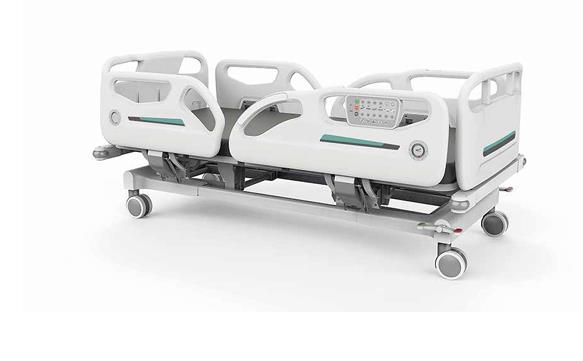
After learning about the main functions and benefits of bed side rails and their essential role in hospital care, many people begin to wonder—which type of hospital bed side rails best fits their needs? Different designs offer varying levels of safety, compatibility, and comfort. To help you make a better choice, we will now recommend two products from the well-known hospital bed side rails manufacturers – JIECANG. These products are thoughtfully designed to combine functionality with user comfort, meeting the diverse requirements of both healthcare facilities and patients.
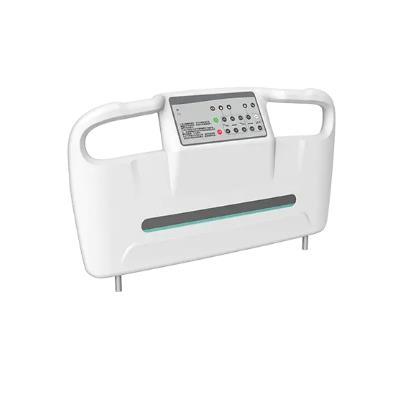
The Hospital Bed Side Rails JCP35H10 by JIECANG are designed for medical use, combining durability, safety, and ergonomic comfort. Made from high-quality blow-molded PP, they are smooth, easy to clean, and comfortable for patients. The dimensions of the rails—head left component 1000 × 600 mm, headboard 907 × 670 mm, foot right component 820 × 571 mm, and footboard 907 × 595 mm—fit standard hospital beds commonly used in general wards, ICUs, and long-term care facilities, providing full support for adult patients. With features like multiple control buttons, display options, and IPX6 protection, the JCP35H10 ensures patient safety, caregiver convenience, and a modern hospital aesthetic.
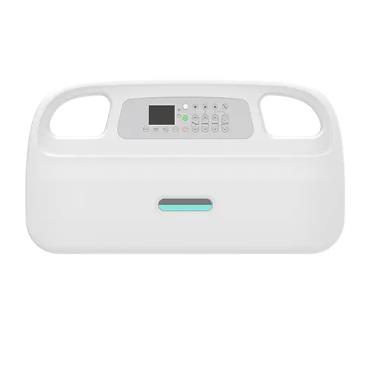
The Hospital Bed Side Rails JCP35H11 by JIECANG are purpose-built for hospital ICU and general ward environments, offering safety and ergonomic comfort for patients and caregivers. Made from durable blow-molded PP, the rails feature a sleek, modern design that complements advanced medical beds. With the head left and foot right components measuring 714 mm in length and 622 mm in width, the head right and foot left components also 714 mm long and 622 mm wide, and the headboard and footboard both 905 mm long with widths of 582 mm and 582 mm ±5 respectively, these rails fit standard ICU and general hospital beds. Synchronous drive operation ensures smooth, reliable movement and precise coordination during patient adjustment. Each side rail includes up to 12 control buttons inside and outside, while the footboard can hold up to 19 buttons. With IPX6 protection and a built-in rotation angle indicator, the JCP35H11 provides safe, convenient, and hygienic patient care in ICUs, nursing homes, and medical facilities.
How to Install Side Rails on a Hospital Bed ?
Installing hospital bed side rails correctly is crucial for ensuring patient safety and stable bed operation. Taking the JIECANG Hospital Bed Side Rails JCP35H10 as an example, the following section explains the standard installation process designed for hospital and medical environments.
1.Installation Method
Step 1: Prepare Standard Hole Openings on Headboard and Footboard
Begin by drilling the standard holes on the bed's headboard and footboard according to the schematic diagram. These openings ensure precise alignment and secure installation of the hospital bed side rails. Accurate placement at this stage is critical for both patient safety and the proper functioning of the electric bed with side rails.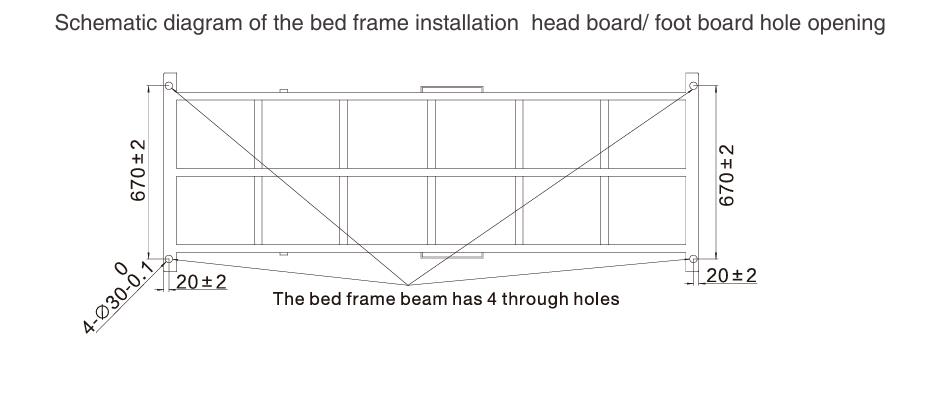
Step 2: Install Headboard, Footboard, and Intubation Lock
Attach the headboard and footboard to the bed frame, and properly install the intubation lock mechanisms. This step guarantees that the hospital bed side rails will integrate seamlessly with the bed structure, providing reliable support during patient transfers, repositioning, and routine care.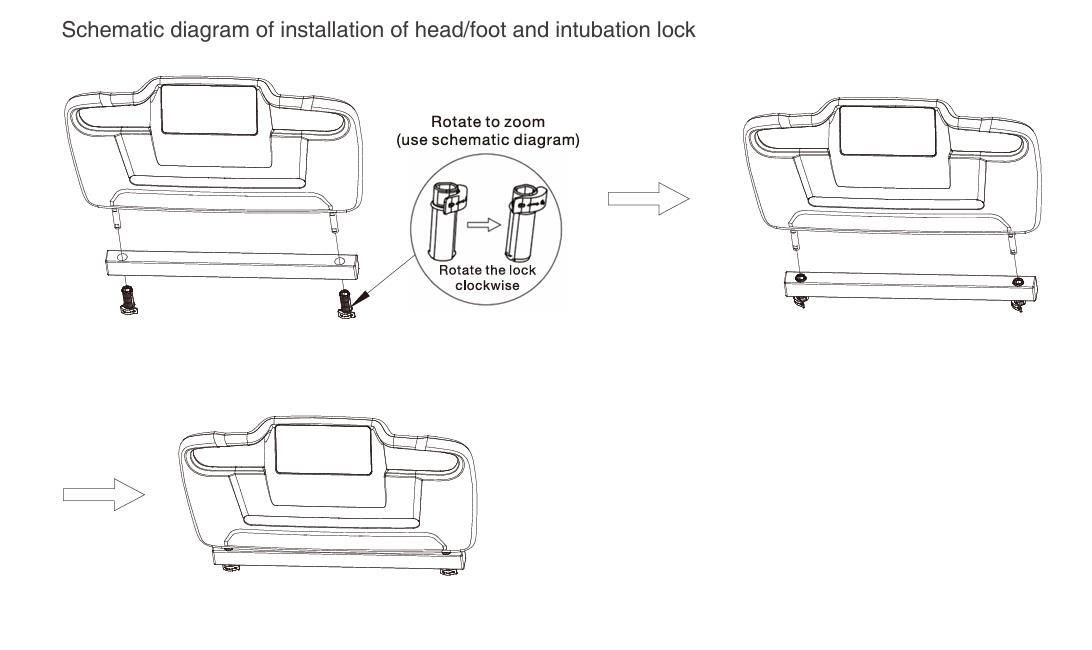
Step 3: Assemble the Bed Frame
Carefully assemble the bed frame, ensuring all components are aligned and firmly secured. The side rails should be positioned in their designated slots, with screws or locking mechanisms tightened according to manufacturer specifications. For an electric bed with side rails, verify that all electronic connections and control systems are ready for use.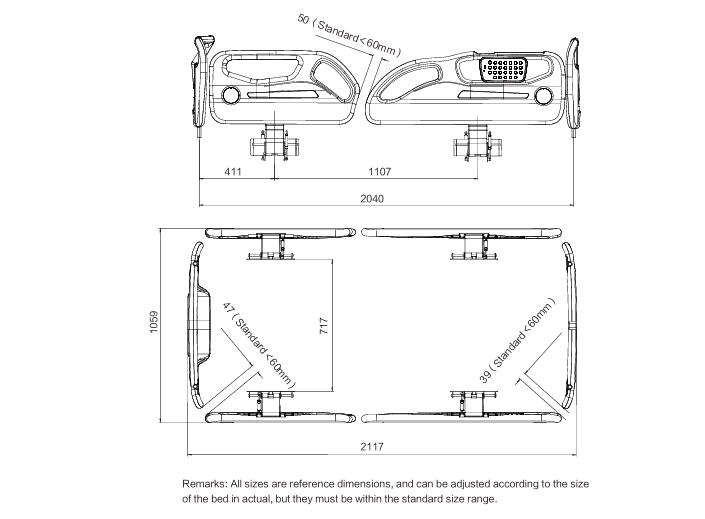
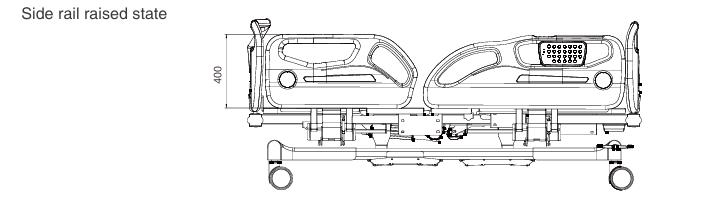
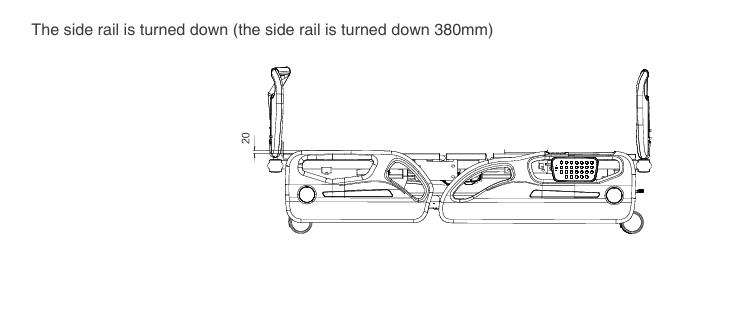
Step 4: Adjust the Side Rails Angle and Height
Once the bed frame and side rails are securely installed, adjust the angle and height of the hospital bed side rails to the appropriate position. Raise the rails to their protective upright position for patient safety, or lower them by the recommended range (usually around 380 mm) for transfers, care, or patient entry/exit. For an electric bed with side rails, test the motorized adjustments to ensure smooth, synchronized movement. Always confirm that locking mechanisms engage correctly and that the rails are stable before use.
2.Electrical Connection
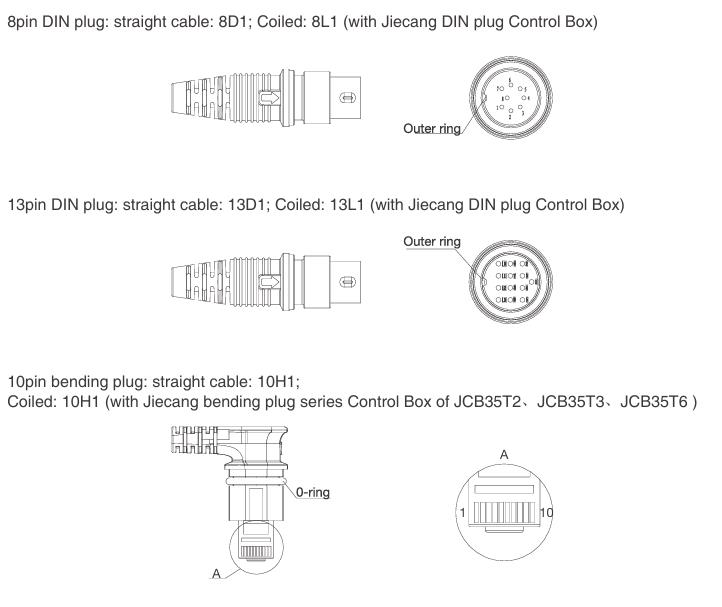
For versions with electronic control, connect the side rails using the appropriate JIECANG plug system:
8-pin DIN plug: Straight cable (8D1) or coiled (8L1) — for JIECANG DIN control boxes.
13-pin DIN plug: Straight (13D1) or coiled (13L1) — for JIECANG DIN control boxes.
10-pin angled plug: Straight or coiled (10H1) — for JIECANG angled control boxes (JCB35T2, JCB35T3, JCB35T6).
Conclusion
High-quality hospital bed side rails play a crucial role in patient safety and comfort. Adjustable bed side rails help prevent accidental falls, provide support during transfers. Using bed side rails full size ensures full-length coverage for comprehensive protection, while for larger beds, king size bed side rails can further enhance safety and comfort. Bed side rails for elderly offer stability and confidence for patients while reducing strain on caregivers. With durable materials, smooth movement, and secure locking mechanisms, side rail for bed safety ensures reliable performance for various bed types, including electric beds with side rails and side rails for adjustable beds. Full-length designs or protective side rail covers for hospital beds enhance both safety and comfort.
Hospital Bed Side Rails FAQ
1.How to fix a broken bed side rail?
A broken hospital bed side rail can compromise patient safety, so it's important to address it promptly. First, identify the damaged part—whether it's the locking mechanism, hinge, or rail frame. For minor issues, tighten screws or replace small components. For serious damage, replace the entire rail with compatible bed side rails full size or king size bed side rails. Always ensure that the repaired or replaced rail functions smoothly and locks securely to maintain safety.
2.How to lower hospital bed side rails?
Lowering hospital bed side rails is usually done to allow easier patient access or caregiver intervention. Most rails have a release mechanism or button system. Press or lift the appropriate lever to unlock the rail, then gently lower it to the desired position. For full-length rails, ensure that the movement is smooth and does not pinch bedding or hands. Always check that the rail securely locks when raised again to maintain safety.
3.What to do if hospital bed side rails feel loose or unstable?
Sometimes hospital bed side rails may become loose due to frequent use, worn screws, or misalignment. A loose rail can reduce patient safety, so regular inspection is important. Check all screws, bolts, and locking mechanisms, and tighten them as needed. For adjustable models, ensure the rails move smoothly along their tracks and lock securely in both raised and lowered positions. If instability persists, replace the rail with compatible bed side rails full size or king size bed side rails to maintain full safety and support.
4.How to install side rails on a hospital bed?
Installing hospital bed side rails correctly is essential for patient safety and smooth bed operation. First ensure the bed frame's headboard and footboard have standard hole openings. Align the side rails precisely with the bed frame and secure them using screws. Rails can then be raised to the protective position or lowered for patient care and transfers. Always check that locking mechanisms operate smoothly before use.
5.What are the benefits of an electric bed with side rails?
An electric bed with side rails combines motorized adjustability with safety features. The electric functions allow patients to easily raise or lower the head, foot, or entire bed, improving comfort and supporting medical needs. The side rails provide protection against accidental falls, assist with repositioning, and give caregivers a stable support point during transfers or care. Together, they enhance both patient safety and independence.