- Home
-
Industrial Linear Actuator: Definition, Types & Full Application Guide
Views: 0 Author: Site Editor Publish Time: 2025-12-02 Origin: Site


Industrial linear actuators are the unsung heroes of modern automation, converting rotational motion into precise linear movement to power countless industrial processes. Unlike consumer-grade actuators designed for light-duty applications, industrial linear actuators are engineered to withstand harsh environments, deliver high load capacities, and operate reliably for millions of cycles. This comprehensive guide will walk you through everything you need to know about industrial linear actuators, from their basic definition and working principles to real-world applications and how to select the right product for your specific needs.
What Is an Industrial Linear Actuator?
An industrial linear actuator is a mechanical device that transforms rotational motion from an electric motor, hydraulic pump, or pneumatic compressor into straight-line motion. This motion is used to push, pull, lift, lower, or position loads with exceptional accuracy. The key difference between industrial and consumer linear actuators lies in their construction and performance specifications. Industrial models feature robust materials, reinforced components, and advanced sealing systems that allow them to operate in extreme temperatures, dusty or wet conditions, and high-vibration environments. They also offer significantly higher load capacities, longer service lives, and more precise control compared to their consumer counterparts.
How Do Idustrial Linear Actuators Work?
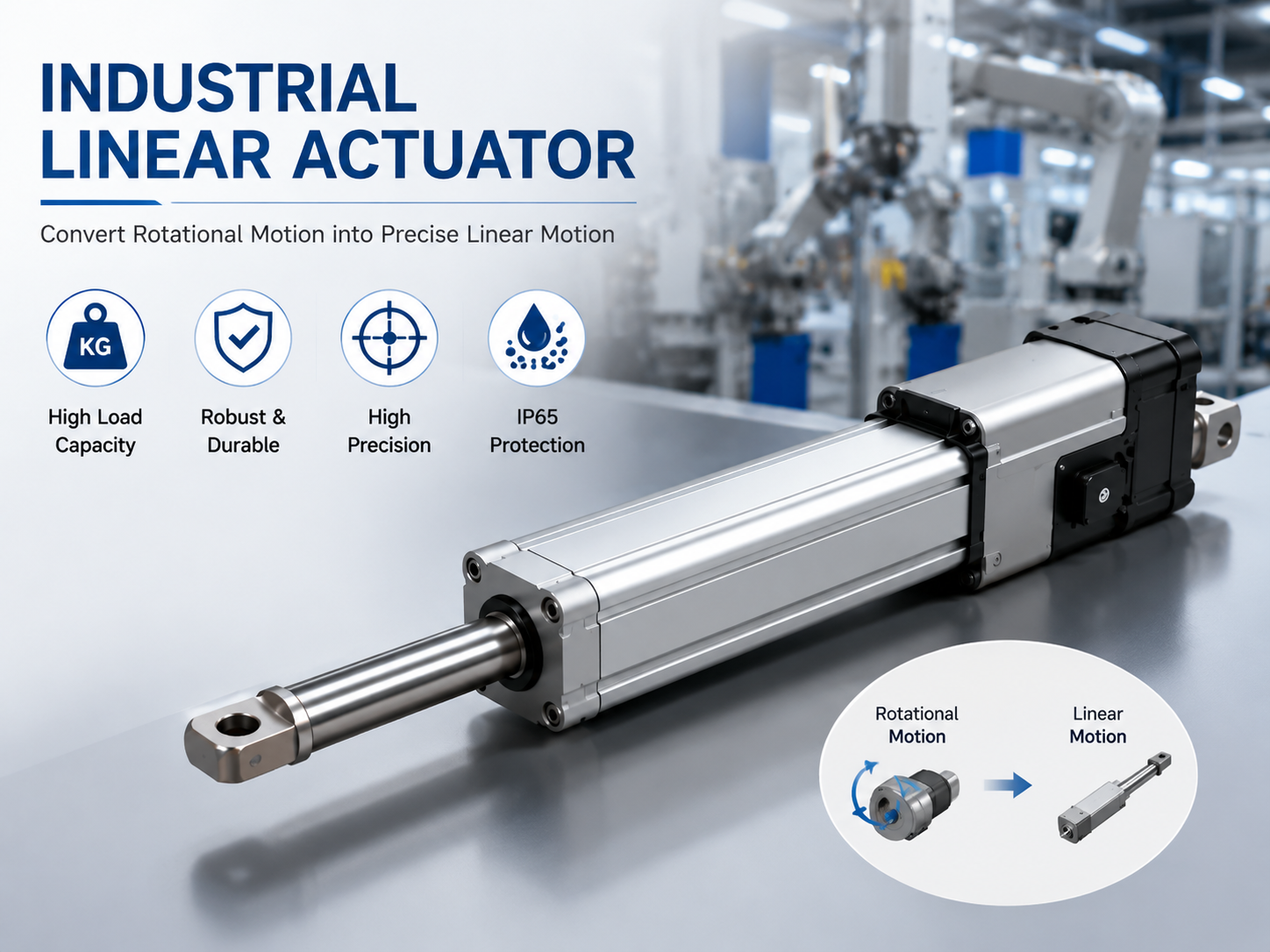
The working principle of an industrial linear actuator varies depending on its power source. Electric linear actuators use a motor to drive a lead screw or ball screw, which converts the motor's rotational motion into linear movement of the actuator rod. Hydraulic linear actuators rely on pressurized fluid to move a piston inside a cylinder, providing extremely high force output. Pneumatic linear actuators operate similarly to hydraulic ones but use compressed air instead of fluid, offering faster cycle times and cleaner operation.
Among these three types, electric industrial linear actuators have become the most popular choice in recent years due to their superior precision, energy efficiency, and ease of integration with modern control systems. They can be programmed to perform complex motion sequences, provide real-time feedback on position and speed, and require minimal maintenance compared to hydraulic and pneumatic systems.
Main Types of Industrial Linear Actuators
Electric industrial linear actuator
Electric industrial linear actuators are the most versatile and widely used type today. They are available in various configurations, including DC electric actuators, AC electric actuators, and servo electric cylinders. DC electric actuators are commonly used in applications requiring low to medium power, while AC electric actuators are better suited for high-power continuous operation. Servo electric cylinders offer the highest level of precision and dynamic performance, making them ideal for robotics and advanced automation systems.
Hydraulic linear actuator
Hydraulic linear actuators are known for their exceptional force output, making them the preferred choice for heavy-duty applications such as construction equipment, mining machinery, and large industrial presses. They can generate forces of up to several hundred tons, but they require complex hydraulic systems and regular maintenance to prevent fluid leaks.
Pneumatic linear actuator
Pneumatic linear actuators are fast, clean, and cost-effective, making them suitable for applications requiring high cycle rates and moderate force output. They are commonly used in packaging machinery, assembly lines, and material handling systems. However, they are less precise than electric actuators and can be noisy during operation.
Key Benefits of Industrial Linear Actuators
Industrial linear actuators offer numerous advantages that make them essential components in modern industrial automation. One of the most significant benefits is their high precision, which allows for accurate positioning of loads within fractions of a millimeter. This precision is critical in applications such as semiconductor manufacturing, medical equipment, and automotive assembly, where even the smallest error can have serious consequences.
Another key benefit is their reliability and durability. Industrial linear actuators are built to last, with many models offering service lives of over 10 million cycles. They are designed to withstand harsh operating conditions, including extreme temperatures, dust, moisture, and vibration, ensuring uninterrupted operation even in the most demanding environments.
Industrial linear actuators also offer excellent energy efficiency, especially electric models. Unlike hydraulic systems that consume energy even when idle, electric actuators only use power when they are moving, resulting in significant energy savings over time. They are also easier to install and maintain, with no need for complex piping or fluid handling systems.
Applications of Industrial Linear Actuators
Industrial linear actuators are used in a wide range of industries and applications. In the automotive manufacturing industry, they are used for welding robot positioning, door assembly lines, engine component installation, and paint shop automation. They provide the precision and reliability needed to ensure consistent quality and high production rates.
In the food and beverage industry, linear actuators are used in filling equipment, sealing machines, packaging lines, and conveyor systems. They are designed to meet strict hygiene standards, with stainless steel construction and IP65 or higher protection ratings that allow for easy cleaning and sanitization.
The medical industry relies on linear actuators for a variety of applications, including surgical table adjustment, patient lift systems, rehabilitation equipment, and diagnostic machines. They offer smooth, quiet operation and precise control, ensuring patient comfort and safety.
In the renewable energy sector, linear actuators are used in solar tracking systems to adjust the angle of solar panels for maximum energy efficiency. They are also used in wind turbines to control the pitch of the blades and in energy storage systems to operate ventilation and safety systems.
Other common applications include agricultural machinery, logistics and warehousing, aerospace and defense, and industrial robotics. As automation continues to advance, the demand for high-performance industrial linear actuators is expected to grow significantly in the coming years.
How to Choose the Right Industrial Linear Actuator?
Selecting the right industrial linear actuator for your application requires careful consideration of several key factors. The first and most important factor is the load capacity, which refers to the maximum force the actuator can exert. You should choose an actuator with a load capacity that is at least 20% higher than the maximum expected load to ensure safe and reliable operation.
The next factor to consider is the stroke length, which is the distance the actuator rod can extend and retract. You should measure the required travel distance for your application and select an actuator with a stroke length that matches or slightly exceeds this distance.
Speed is another important consideration. The speed of a linear actuator is typically measured in millimeters per second (mm/s) and varies depending on the load and power source. You should choose an actuator with a speed that meets your application's cycle time requirements.
The protection rating, or IP rating, indicates the actuator's resistance to dust and moisture. For applications in harsh environments, such as outdoor use or wet industrial settings, you should select an actuator with an IP65 or higher protection rating.
Other factors to consider include the control type, mounting options, environmental temperature range, and service life. It is also important to choose a reputable manufacturer that offers high-quality products and reliable technical support.
JIECANG Product Recommendations
JIECANG is a global leader in linear drive technology, offering a comprehensive range of high-performance industrial linear actuators designed to meet the diverse needs of modern industry. With over 20 years of experience and a commitment to innovation, JIECANG has developed a reputation for producing reliable, durable, and cost-effective linear drive solutions.
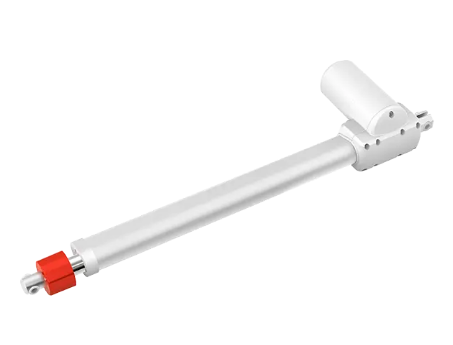
The JC35L28 heavy-duty industrial linear actuator is designed for applications requiring extremely high load capacities. It can deliver a maximum push force of 10000N and a maximum pull force of 8000N, making it ideal for heavy machinery, material handling equipment, and industrial presses. It features a robust aluminum alloy construction, a maximum IPX6 protection rating, and optional Hall sensors for precise position feedback. The JC35L28 is available in stroke lengths ranging from 50mm to 400mm and operates on 24V or 29V DC power.
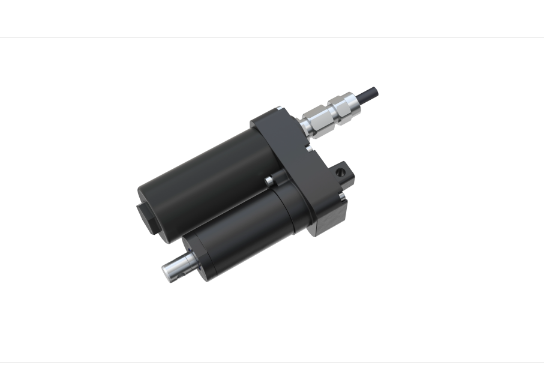
The JC35FA17 explosion-proof industrial linear actuator is specifically designed for use in hazardous environments where flammable gases or dust may be present. It features an integrated explosion-proof design that meets the Ex db ⅡC T4 Gb standard, making it suitable for use in energy storage systems, chemical plants, and oil and gas facilities. The JC35FA17 offers an IP65 protection rating, and a wide range of stroke lengths to accommodate different installation requirements.
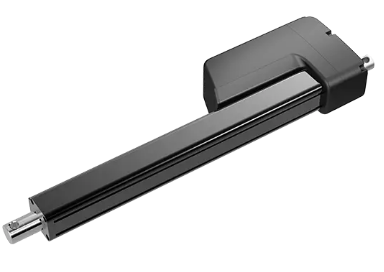
The JC35FA2 smart industrial linear actuator is an advanced solution that combines high performance with intelligent control capabilities. It features a modular design that allows it to easily replace hydraulic systems, offering improved precision, energy efficiency, and reliability. The JC35FA2 is equipped with built-in sensors and control electronics that enable real-time monitoring of position, speed, and load. It can be integrated with PLC systems and other industrial control networks to support complex automation applications.
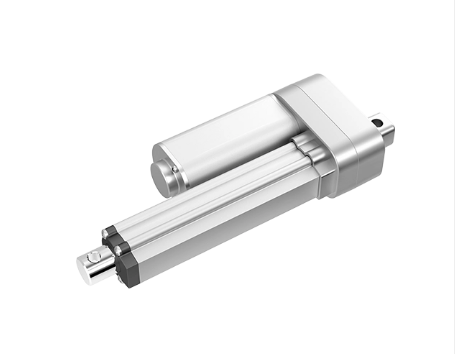
The JC35W2 general-purpose industrial linear actuator is a versatile and cost-effective solution for a wide range of medium-duty applications. It offers a maximum load capacity of 3000N, an IPX4 protection rating, and optional Hall sensors for position feedback. The JC35W2 operates on 12V, 24V, or 48V DC power and is available in stroke lengths ranging from 50mm to 400mm. It features a compact design, low noise operation, and easy installation, making it ideal for packaging machinery, assembly lines, and medical equipment.
For robotics and high-dynamic applications, JIECANG offers the JCLA series of high-performance linear actuators. The JCLA-75-300 model, for example, can deliver a maximum peak thrust of 8000N and a maximum speed of 300mm/s, making it suitable for use in industrial robots, collaborative robots, and automated guided vehicles. It features a lightweight aluminum alloy construction, high-precision ball screw drive, and integrated motor and controller for compact installation.
Conclusion
Industrial linear actuators are essential components in modern industrial automation, providing the precise, reliable linear motion needed to power a wide range of applications. Whether you are working in automotive manufacturing, food and beverage, medical equipment, or renewable energy, choosing the right industrial linear actuator is critical to the success of your project.
JIECANG offers a comprehensive range of high-performance industrial linear actuators designed to meet the diverse needs of modern industry. From heavy-duty models capable of lifting tons of weight to smart actuators with advanced control capabilities, JIECANG has a solution for every application. Their products are built to last, with robust construction, high protection ratings, and reliable performance even in the most demanding environments.
If you are looking for a reliable industrial linear actuator supplier, JIECANG is an excellent choice. They offer high-quality products, competitive prices, and exceptional technical support to help you find the perfect solution for your specific needs. Explore JIECANG's full range of industrial linear actuator products today or request a custom quote to get started on your next project.
FAQs
1.What is the difference between an industrial linear actuator and a consumer linear actuator?
Industrial linear actuators are built with more robust materials and components to withstand harsh operating conditions, higher loads, and longer service lives. They also offer higher precision and more advanced control capabilities compared to consumer-grade actuators, which are designed for light-duty applications such as furniture and home appliances.
2.How do I determine the required load capacity for my linear actuator?
To determine the required load capacity, you need to calculate the maximum force that the actuator will need to exert in your application. This includes the weight of the load, any friction forces, and any dynamic forces that may occur during operation. It is recommended to choose an actuator with a load capacity that is at least 20% higher than the calculated maximum load to provide a safety margin.
3.What is the typical service life of an industrial linear actuator?
The service life of an industrial linear actuator depends on several factors, including the load, speed, duty cycle, and operating environment. Under normal operating conditions, most high-quality industrial linear actuators can last for 10 million cycles or more. Regular maintenance, such as lubrication and inspection, can help extend the service life of the actuator.
4.What does the IP rating of a linear actuator mean?
The IP rating, or Ingress Protection rating, indicates the actuator's resistance to dust and moisture. The first digit represents the level of protection against solid objects, while the second digit represents the level of protection against liquids. For example, an IP65 rating means the actuator is completely dust-tight and protected against low-pressure water jets from any direction.
5.Can industrial linear actuators be customized?
Yes, most manufacturers, including JIECANG, offer custom industrial linear actuators to meet specific application requirements. Customization options include different stroke lengths, load capacities, speeds, protection ratings, mounting options, and control interfaces. JIECANG also offers custom engineering services to develop tailored linear drive solutions for unique applications.
6.What is the difference between a lead screw and a ball screw linear actuator?
Lead screw actuators use a threaded rod and a nut to convert rotational motion into linear motion. They are simple, cost-effective, and offer high holding torque, but they have lower efficiency and shorter service lives compared to ball screw actuators. Ball screw actuators use recirculating ball bearings between the screw and the nut, resulting in higher efficiency, lower friction, and longer service lives. They are more expensive than lead screw actuators but offer better performance for high-precision and high-cycle applications.
7.How do I install an industrial linear actuator?
The installation process for an industrial linear actuator varies depending on the model and application. Most actuators come with mounting brackets that allow for easy installation using bolts or screws. It is important to ensure that the actuator is properly aligned and that the load is applied axially to prevent side loading, which can damage the actuator. You should also follow the manufacturer's instructions for wiring and electrical connection.
8.What maintenance is required for industrial linear actuators?
Electric industrial linear actuators require minimal maintenance compared to hydraulic and pneumatic systems. Regular maintenance tasks include inspecting the actuator for signs of wear or damage, cleaning the actuator rod and seals, and lubricating the screw mechanism as recommended by the manufacturer. It is also important to check the electrical connections and control system periodically to ensure proper operation.
9.What is the typical lead time for industrial linear actuators?
The lead time for industrial linear actuators depends on the model, quantity, and any customizations required. Standard off-the-shelf models are usually available for immediate delivery or within a few days. Custom actuators may have longer lead times, typically ranging from 2 to 6 weeks, depending on the complexity of the customization.
10.Does JIECANG offer technical support for their industrial linear actuators?
Yes, JIECANG provides comprehensive technical support for all their products, including industrial linear actuators. Their team of experienced engineers can assist with product selection, application engineering, installation, and troubleshooting. They also offer training programs and technical documentation to help customers get the most out of their linear drive systems.