- Home
-
Using Tubular Motors To Improve The Light-blocking And Energy Efficiency of Louvers
Views: 0 Author: Site Editor Publish Time: 2025-11-14 Origin: Site


In modern home and commercial space design, light management and energy efficiency have become crucial considerations. Venetian blinds are popular due to their flexible light control, aesthetic appeal, and durability. With the continuous development of smart home technology, Tubular motors are becoming the core driving force for the automation upgrade of Venetian blinds. By combining Venetian blinds with tubular motors, users can not only enjoy a more convenient light control experience but also significantly improve light blocking, heat insulation, and energy-saving effects, thereby reducing energy consumption and enhancing indoor comfort. This article will focus on Venetian blinds driven by Tubular motors, highlighting how they achieve linear motion control of light and their key role in the smart home field.
Advantages of Tubular Motors in Automating Light Control of Venetian Blinds
A tubular motor is a type of motor installed inside the roller blind or curtain, driving the blind's raising and lowering or adjusting the slats with a concealed structure. Its advantages when combined with Venetian blinds include smooth and quiet operation, without disrupting the living or working environment. Secondly, in general, tubular motors are concealed, saving physical space and maintaining a clean visual appearance. Furthermore, some motors support remote control, app control, and voice control, enabling integration with smart home systems and automation in office or home environments.
A tubular motor is a type of motor installed inside the roller blind or curtain, driving the blind's raising and lowering or adjusting the slats with a concealed structure.
How to Improve the Light-Blocking Efficiency of Venetian Blinds Using Tubular Motors?
Light adjustment in Venetian blinds relies on the angle and degree of opening of the slats, while tubular motors enable precise light control:
Below is a comparison of manual and motorized Venetian blinds
Manual Venetian Blinds Motor-driven Venetian Blinds
Irregular angle adjustment Precise angle adjustment for more thorough light blocking
Susceptible to variations in human operation Always maintains optimal light-blocking settings
Prone to wear and tear with prolonged use Motor-driven blinds reduce wear and extend lifespan
By setting different light modes for different time periods, such as automatically closing the blinds when sunlight is strongest, automatically opening to 30° in the morning soft light mode, and automatically blocking out all light at night to enhance privacy, the light-blocking ability is fully utilized, making the home or office environment more comfortable.
Utilizing Tubular Motors for Intelligent Shading to Improve Energy Efficiency
Tubular motors not only enhance the comfort of using louvers but also effectively reduce energy consumption for air conditioning and lighting. The impact of different louver states on energy consumption varies: when fully open during the day, indoor temperatures rise rapidly, increasing air conditioning power consumption; in intelligent semi-shading mode, direct sunlight is blocked, reducing air conditioning energy consumption; and in low-light environments, automatically opening the louvers increases natural light, reducing lighting power consumption.
Intelligent dimming functions automatically adjust according to seasonal and light changes: automatic shading in summer lowers indoor temperature, saving on cooling costs; and in winter, automatically opening the louvers based on sunlight conditions raises indoor temperature, reducing heating energy consumption. Studies show that the proper use of intelligent shading systems can help buildings reduce overall energy consumption by 15%–30%.
How to Choose the Right Tubular Motor for Your Blinds?
When choosing a tubular motor, the torque should be matched to the size and weight of the blinds to avoid insufficient power or wasted costs; noise levels ≤45dB are more suitable for bedrooms and offices; control methods include wall control, remote control, mobile app, or smart voice control; priority should be given to motors with overheat protection, resistance sensing, and other safety features, while durability and after-sales support are equally important.
Finally, a suitable motor will ensure more stable, intelligent, and energy-efficient operation of the blinds.
Types and Specifications of Tubular Motors
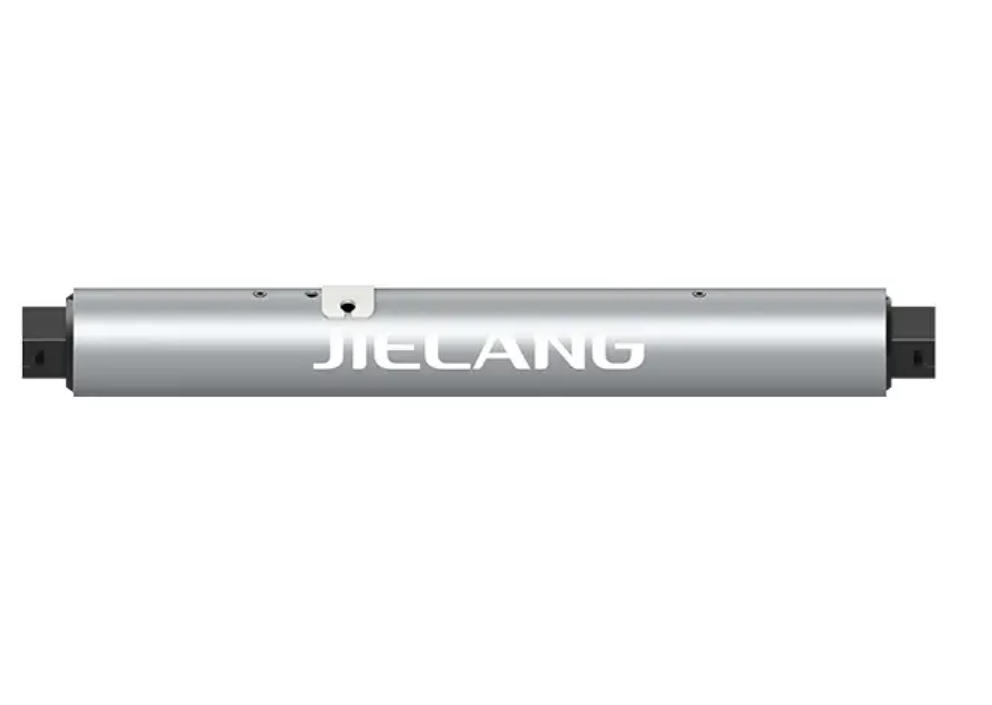
Tubular motors are mainly divided into three categories: wired, electric remote control, and smart motors. You can choose between ordinary silent types or high-torque shading types, such as JIECANG's Aluminum Venetian Blind Tubular Motors; specifications are usually distinguished by torque, diameter, and speed, such as the 35, 45, and 59 series, corresponding to different sizes and weights of blinds. Choosing a motor with a torque range of 6–50Nm and a control method will meet the needs of home, office, and outdoor shading scenarios.
Customization for Different Usage Scenarios
When selecting a tubular motor, the needs of different usage scenarios vary significantly, making customization particularly important.
For spaces requiring a quiet environment, such as bedrooms and nurseries, a silent motor is recommended to ensure that light blocking and operating noise do not interfere with each other. For larger windows in living rooms or offices, a high-torque model can be selected to ensure smooth raising and lowering. For outdoor sunrooms, terraces, and other sun-shading scenarios, a dedicated sun-shading motor that supports windproofing, sun protection, and high-frequency operation is required.
If smart home needs are required, a Wi-Fi or Zigbee motor can also be configured to achieve voice control, timed opening and closing, and lighting linkage, improving comfort and energy efficiency.
Setting Up Your Curtain Tracking System
When setting up a curtain tracking system, it is necessary to comprehensively consider the curtain track type, curtain weight, running distance, and control method to ensure the motor performs optimally. First, confirm whether the track is a straight track, curved track, or double track structure, and select a tubular motor with the appropriate torque based on the curtain material and weight. Secondly, determine the control method based on usage habits, such as remote control, wall control, mobile app, or smart home integration. If the curtains are large or require frequent operation over extended periods, it is recommended to choose a professional-grade motor with stable performance and a longer lifespan.
Among many products, the JIECANG intelligent tubular motor JCC60 series stands out, supporting silent operation, intelligent control protocols (including Wi-Fi/Zigbee/BLE), and compatibility with various curtain track scenarios. It meets needs from bedroom blackouts to large living room windows, and even hotel installations, making it a reliable choice for creating an efficient curtain tracking system.
Product
Drapery Tubular Motors-60 Application: Curtains
Switch: Automatic limit switch
Technology: Silent technology
Speed: 3 speeds
Function: Anti-blockage protection
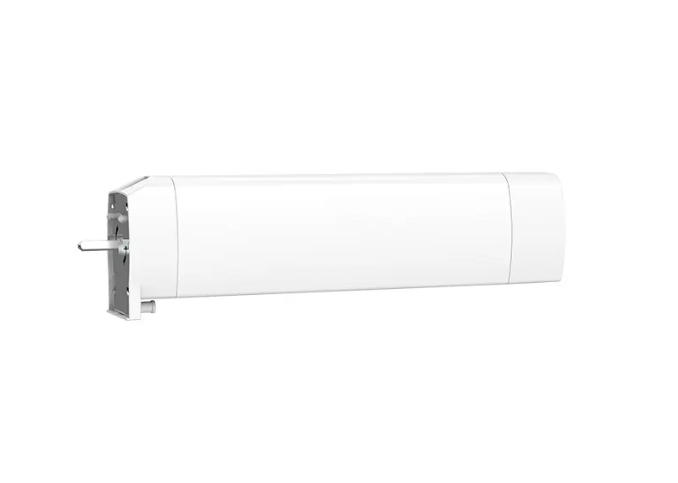
This tubular motor supports automated systems and is seamlessly compatible with mainstream smart home platforms, enabling a more convenient centralized control experience. The built-in automatic limit switch function can automatically memorize the ideal stop position, ensuring precise and stable curtain opening and closing without repeated adjustments. The device boasts high versatility, compatible with most curtain accessories and track systems on the market, offering flexible installation. Utilizing advanced silent technology and a special NVH design, it significantly reduces operating noise, making it suitable for bedrooms, conference rooms, and other environments requiring a quiet environment. It also features a stall protection device that automatically stops the machine in case of jamming or abnormal resistance, preventing damage to the motor and curtains and improving safety. Supporting three speed settings, users can freely choose the speed mode according to their habits and needs, providing a more personalized light-blocking and comfort experience.
conclusion
Selecting and configuring a suitable tubular motor is crucial to truly improving the light-blocking and energy-saving performance of Venetian blinds. An intelligent motor system not only allows the blinds to open and close automatically according to changes in light but also effectively reduces the loss of hot and cold air, resulting in a more stable indoor temperature and lower energy consumption. By rationally selecting motor specifications, installation methods, and intelligent control schemes, your Venetian blinds will be upgraded from a simple light-blocking tool to a highly efficient, comfortable, and energy-saving smart home solution. Whether in homes, offices, or commercial spaces, automated Venetian blinds will bring long-term benefits of both convenience and energy efficiency.
If you have any product-related questions regarding your curtains and blinds projects, please feel free to contact us. We'd be happy to assist you!
Frequently Asked Questions
1. What to do if the tubular motor is too noisy?
A: Excessive noise is usually related to the motor type, excessive torque, or improper installation. We recommend choosing a tubular motor with a quiet design (such as the JIECANG JCG35 series) and ensuring the track is installed flat and securely. Additionally, rubber pads or soundproofing accessories can be used to further reduce noise.
2. What to do if the motor suddenly stops or jams?
A: This may be due to stall protection activation, or obstruction of the blind blades or track. First, check for any foreign objects blocking the track, then reset the motor or manually reset it according to the instruction manual. For long-term maintenance, consider a tubular motor with stall protection and resistance sensing functions to avoid damage.
3. How to determine if the selected motor torque is appropriate?
A: Insufficient torque will cause the blinds to rise and fall slowly or even jam, while excessive torque will waste costs and increase noise. Select the appropriate torque range based on the size, weight, and track length of the blinds. Generally, small blinds require 6–10 Nm, medium blinds 10–20 Nm, and large blinds can reach 20–50 Nm or higher. Consult a professional supplier for confirmation if necessary.